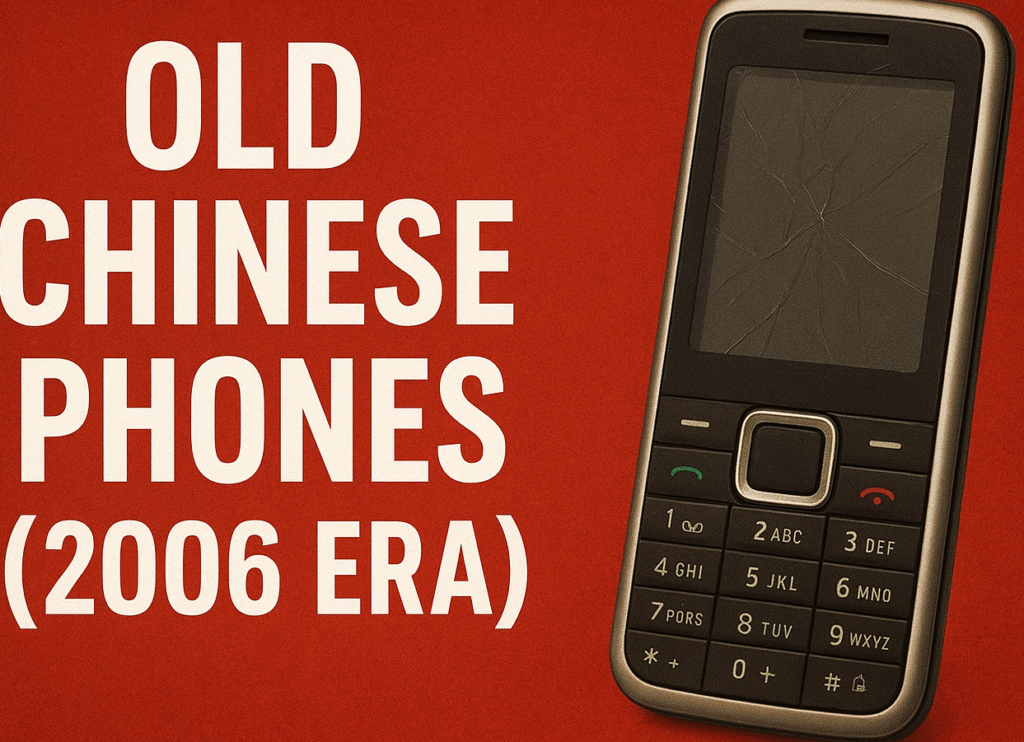
Back in the mid-2000s, if someone mentioned they were using a “China phone,” it usually meant one thing: a lot of laughter. These phones were cheap, unreliable, and often featured fake enhancements like dual antennas, built-in “TV” functions that barely worked, or flashy lights that broke within days. In 2006, Chinese phones were at the bottom of the market, seen as poor imitations of trusted brands like Nokia, Samsung, and Motorola.
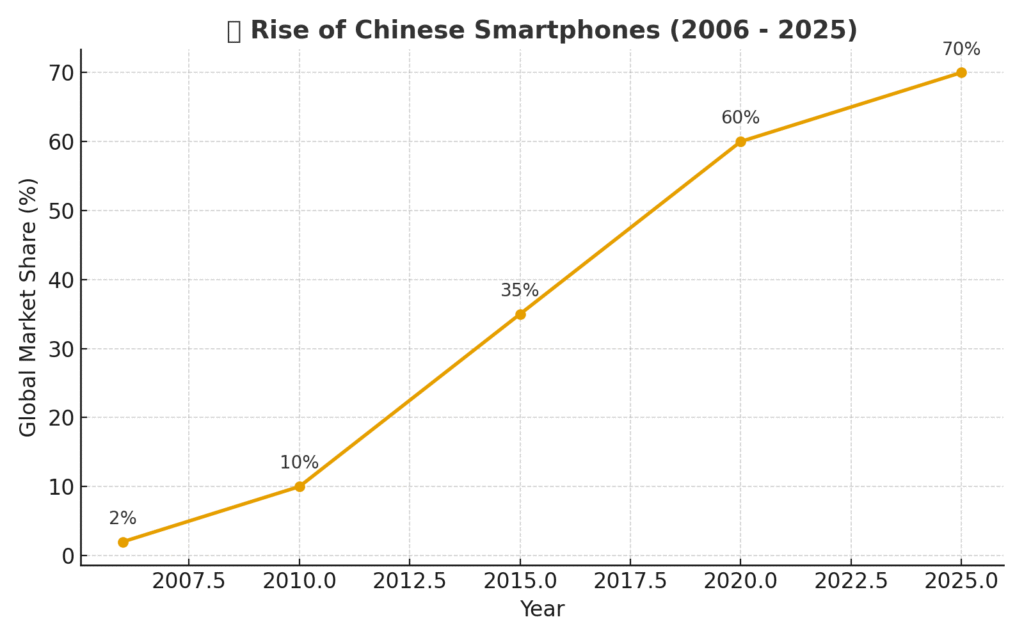
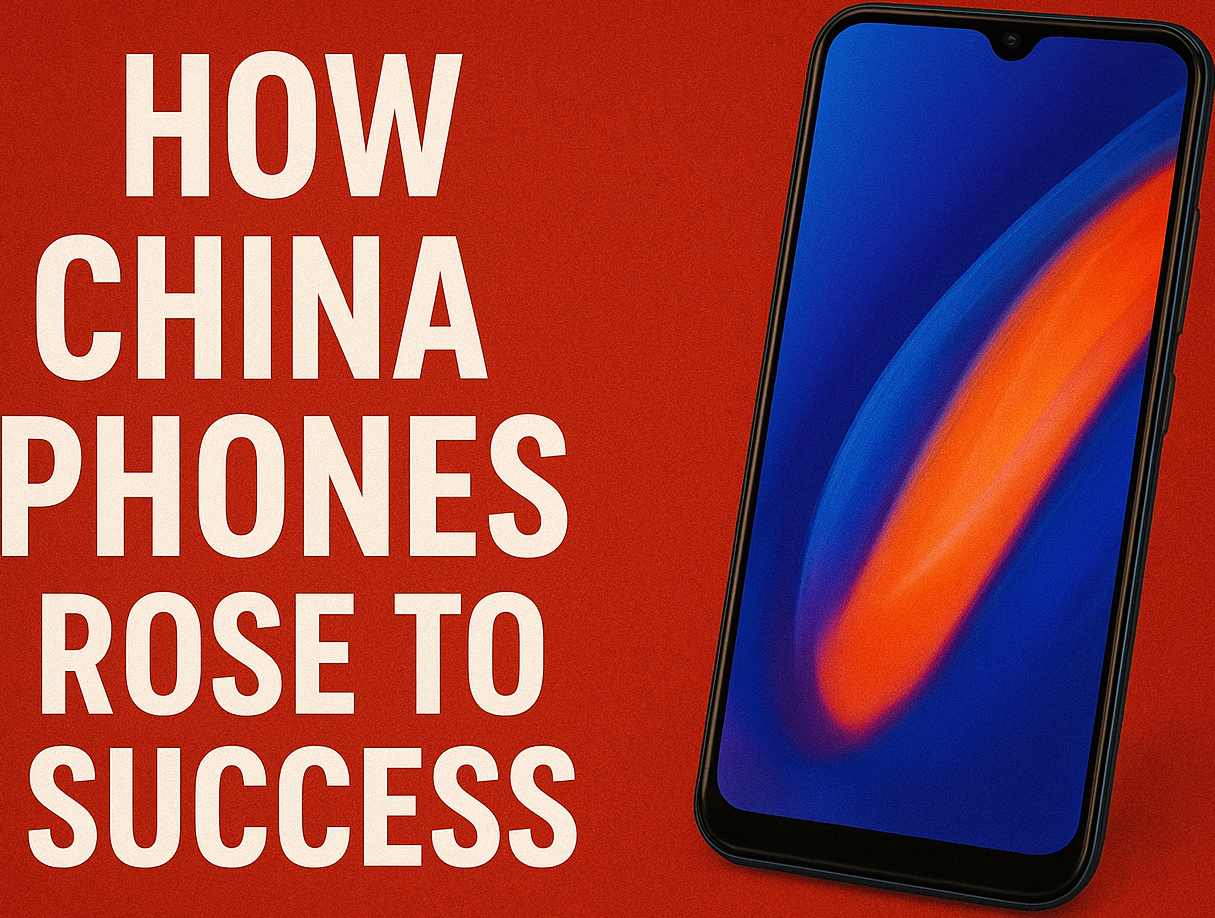
Fast forward less than two decades, and the story looks very different. Today, most smartphones sold globally are either made in China or come from Chinese brands. Xiaomi, OPPO, Vivo, Realme, OnePlus, and Huawei dominate major markets like India, Africa, and Southeast Asia. Even Apple and Samsung—the world’s premium leaders—manufacture a significant portion of their phones in Chinese factories.
So, how did China go from being the punchline of mobile phone jokes to becoming the world’s smartphone powerhouse? Let’s trace this remarkable journey.
🔹 1. From Copycats to Creators
In the early 2000s, Chinese manufacturers relied heavily on copying. They created knockoffs of popular Nokia and Motorola designs, often with funny spelling mistakes in branding and poor hardware quality. But instead of being discouraged, they used this phase as a learning period.
By closely studying global leaders, Chinese engineers and companies learned how to design circuits, assemble parts, and manage supply chains. Slowly, they began to add their own touches—bigger batteries, dual SIM cards (which global brands ignored at the time), and local language support. These small innovations gave them an entry point into markets that global companies had overlooked.
This shift from cheap copies to unique innovations was the first big step in their rise.
🔹 2. The Manufacturing Advantage
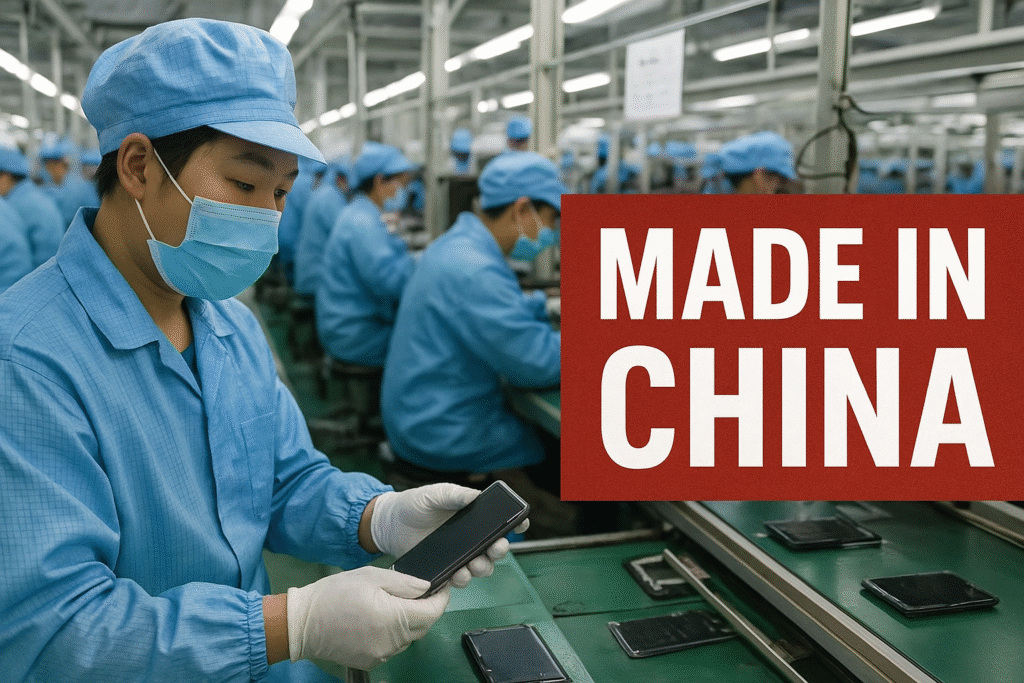
One of China’s greatest strengths was its ability to mass-manufacture. With strong government support, tax incentives, and massive investments in infrastructure, China quickly became the “factory of the world.”
By the late 2000s, China wasn’t just making its own phones; it was also assembling devices for global giants like Apple, Samsung, and Sony. This gave Chinese companies an edge:
- Access to cutting-edge technology
- Skilled labor at lower costs
- Supply chain efficiency is unmatched anywhere else
This environment created the perfect base for Chinese brands to compete globally.
🔹 3. Affordable Smartphones for the Masses
The real breakthrough came in the 2010s. While companies like Apple focused on premium devices and Samsung tried to balance both, Chinese brands spotted a huge gap—the budget and mid-range market.
Millions of people in countries like India, Nigeria, and Indonesia wanted smartphones, but couldn’t afford iPhones. That’s when Xiaomi, OPPO, and Vivo stepped in. They launched phones packed with strong processors, high-resolution cameras, and long-lasting batteries—at prices often half of Samsung’s.
For example, Xiaomi’s Redmi Note series delivered features like large displays and big batteries at extremely competitive prices. Realme, a later entrant, won young customers by focusing on style plus performance.
By offering affordable innovation, Chinese brands won customer trust and loyalty in record time.
🔹 4. Smart Marketing & Digital Strategy
Unlike older brands that depended on expensive TV ads and offline distributors, Chinese companies used digital-first strategies:
- Flash sales on Amazon and Flipkart that created hype
- Social media campaigns targeted at youth
- Influencer marketing and YouTube reviews to build trust
- Aggressive discounts during festive seasons
This clever approach connected directly with the new generation of smartphone users, who lived online and cared about getting value for money.

🔹 5. Building Trust Over Time
In the beginning, many still hesitated to buy Chinese phones, fearing they would break easily. But over time, the quality improved drastically. By 2015, Chinese brands were no longer just “cheap alternatives”—they became serious competitors.
- Durability improved → Stronger builds, Gorilla Glass screens
- Design evolved → Sleek and premium looks
- Technology raced ahead → Multi-camera setups, fast charging, AI features
Gradually, Chinese phones earned a reputation for being reliable and trendy. Even people who once laughed at “China phones” started proudly using them.
🔹 6. The Global Picture Today
The numbers speak for themselves:
- Over 70% of the world’s smartphones are made in China.
- Apple’s iPhones, although an American brand, carry the label: “Assembled in China.”
- In India, the world’s second-largest smartphone market, four out of the top five brands are Chinese.
- Huawei, despite facing global restrictions, was once the world’s No. 2 smartphone maker.
🚀 Conclusion: From Joke to Domination
The rise of Chinese phones is a powerful lesson in persistence, adaptation, and innovation. What began in 2006 as a market filled with low-quality replicas has transformed into a global empire of smartphones.
Chinese companies moved from imitators to innovators, built the most efficient manufacturing system in the world, and conquered markets by giving people what they wanted—affordable, stylish, and feature-rich smartphones.
The big question now is: with India, Vietnam, and other nations investing heavily in smartphone manufacturing, can anyone challenge China’s dominance?
For now, one thing is clear—when you pick up your phone today, whether it’s an iPhone, Samsung, or Xiaomi, chances are high that it has China’s mark on it. From jokes to giants, China has truly rewritten the story of the smartphone industry.