
The way we watch movies, TV shows, and live events has changed more in the past five years than in the previous five decades. From cable TV’s decline to the rise of on-demand platforms, the streaming industry is going through massive shifts that are reshaping entertainment worldwide.
The Fall of Cable TV
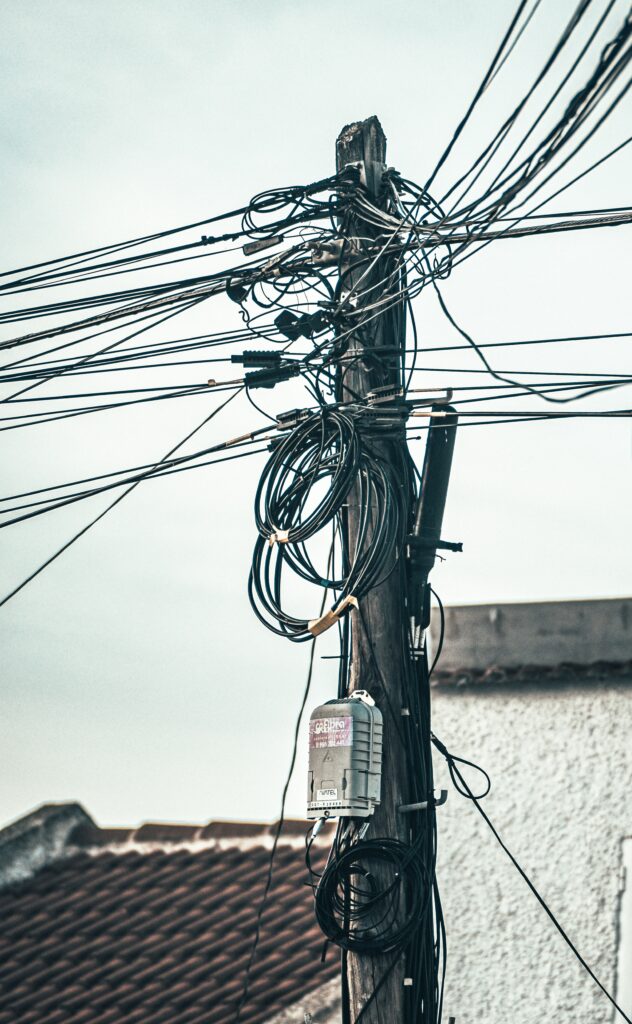
Cable television, once the king of home entertainment, is rapidly losing ground. Viewers are cutting the cord in record numbers, moving away from expensive monthly bundles toward flexible, affordable streaming services. With younger generations never subscribing to cable at all, the decline seems irreversible.
The Rise of On-Demand Platforms
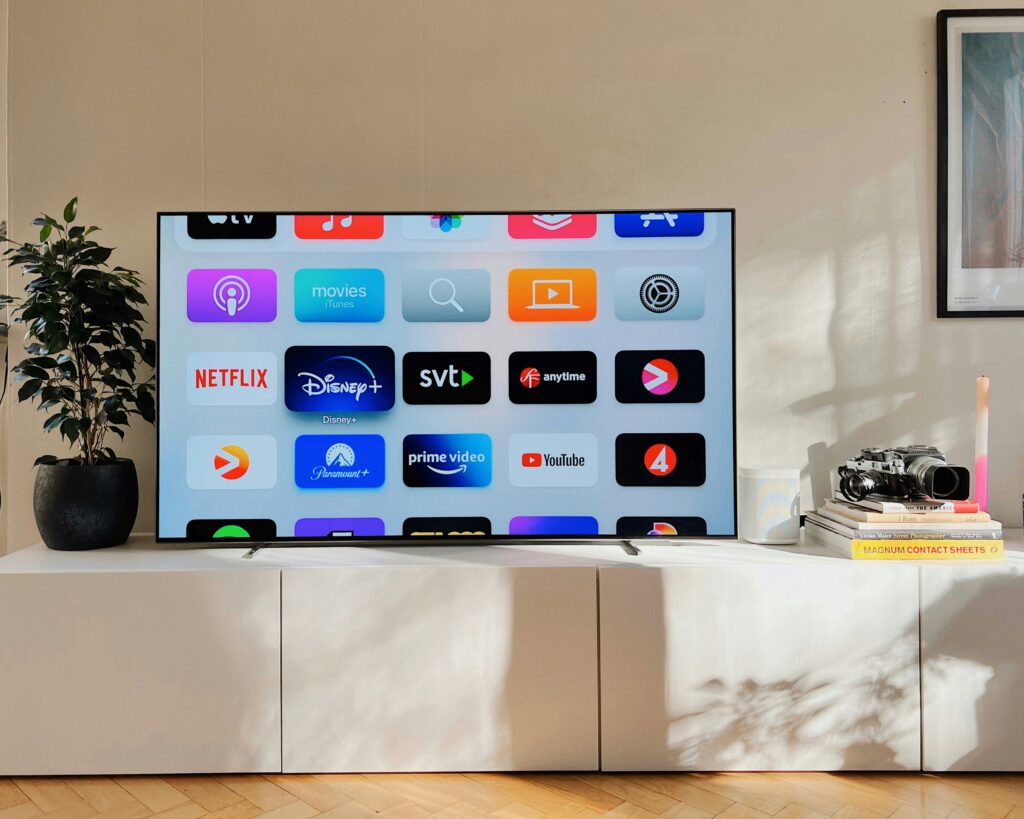
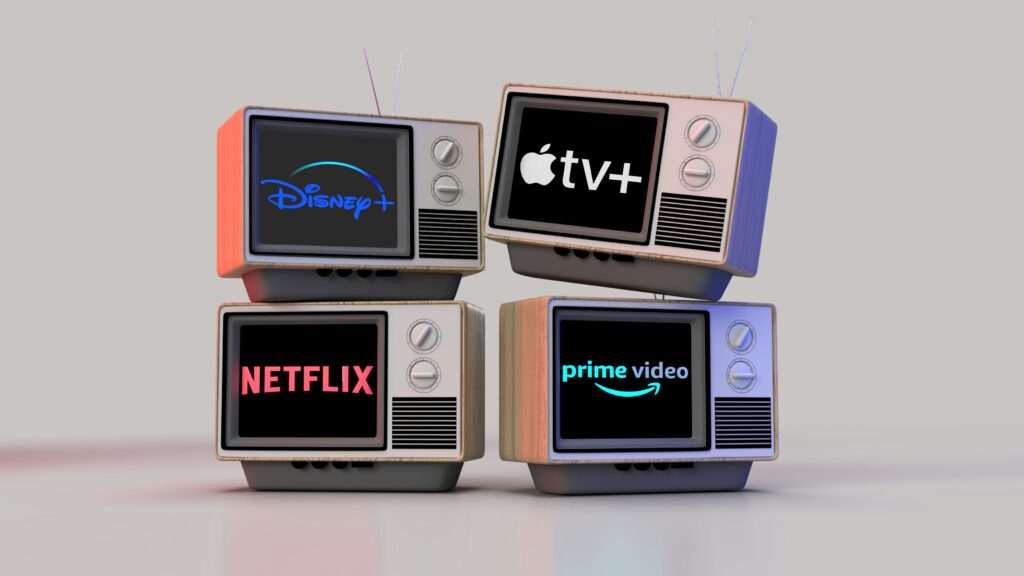
Netflix started the revolution, but today the streaming battlefield is more crowded than ever. Amazon Prime Video, Disney+, Max, Apple TV+, and regional players like JioCinema and Hotstar (in India) are giving audiences endless choices. This competition has driven massive investments in original shows, blockbuster movies, and exclusive rights to sporting events.
Live Events Go Digital
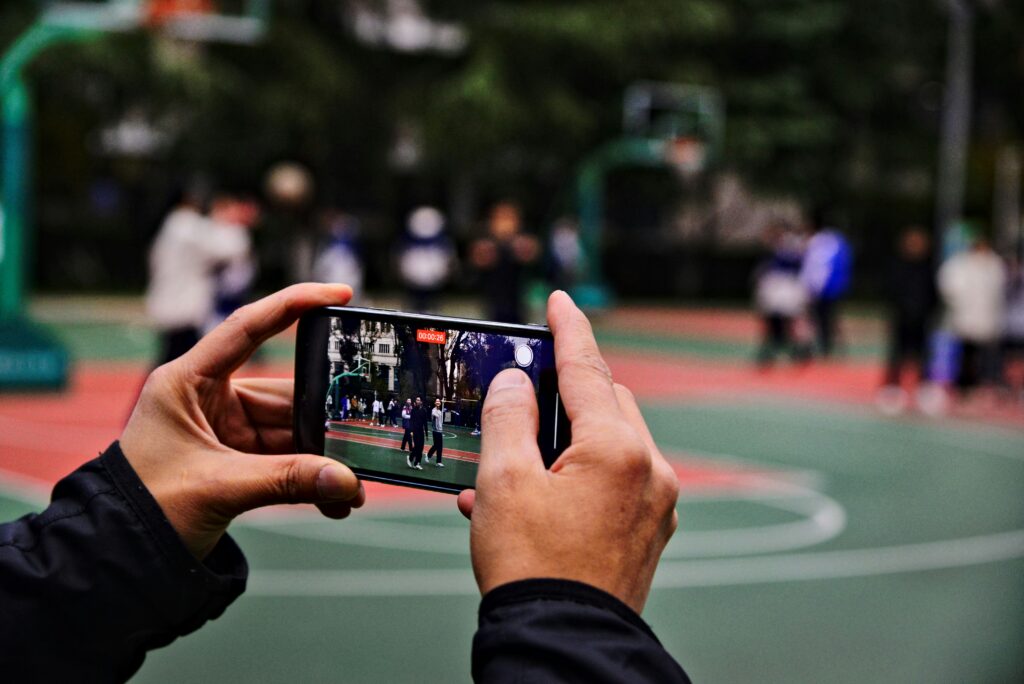
Sports, music concerts, and even theater performances are no longer restricted to TV networks or physical venues. Platforms like YouTube, Twitch, and Amazon Prime are turning live events into interactive digital experiences. Fans can watch, chat, and even shop in real time while enjoying the event from their homes.
Personalization Through AI
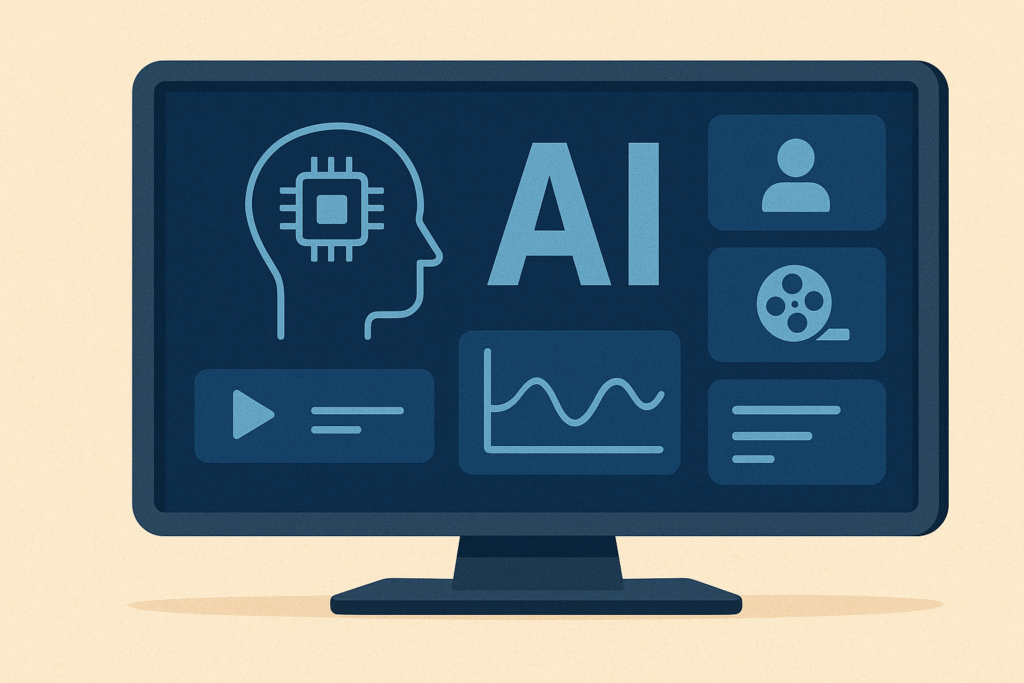
One of the biggest advantages of streaming platforms is personalization. Advanced AI algorithms track viewing habits and recommend content tailored to each user. This keeps audiences engaged while also boosting the visibility of niche creators who might never have found space on traditional TV.
Global Reach and Cultural Exchange
Streaming has broken down borders in entertainment. A Korean drama like Squid Game or a Spanish series like Money Heist can become global sensations overnight. Viewers now discover new cultures, languages, and storytelling styles that were previously inaccessible on cable television.

The Future of Streaming
Looking ahead, the industry is moving toward even more immersive experiences. Virtual Reality (VR) and Augmented Reality (AR) may soon allow viewers to step inside their favorite shows. Subscription fatigue, however, remains a concern as too many platforms compete for audience attention. Consolidation and bundled packages might be the next phase of growth.
✨ Final Thought: The streaming revolution has given audiences control like never before. Instead of waiting for a fixed schedule, viewers decide what to watch, when to watch, and how to watch. One thing is certain—the future of entertainment will be streamed, not broadcast.